
WEIGHTMeasured at department
Grocery checkout systems
Your cashier cannot guess what happens next when the basket includes a weighed item, a benefit tender and a remaining balance.
We test the difficult basket—not only a clean card sale—while protecting the equipment and tender programs the store already depends on.
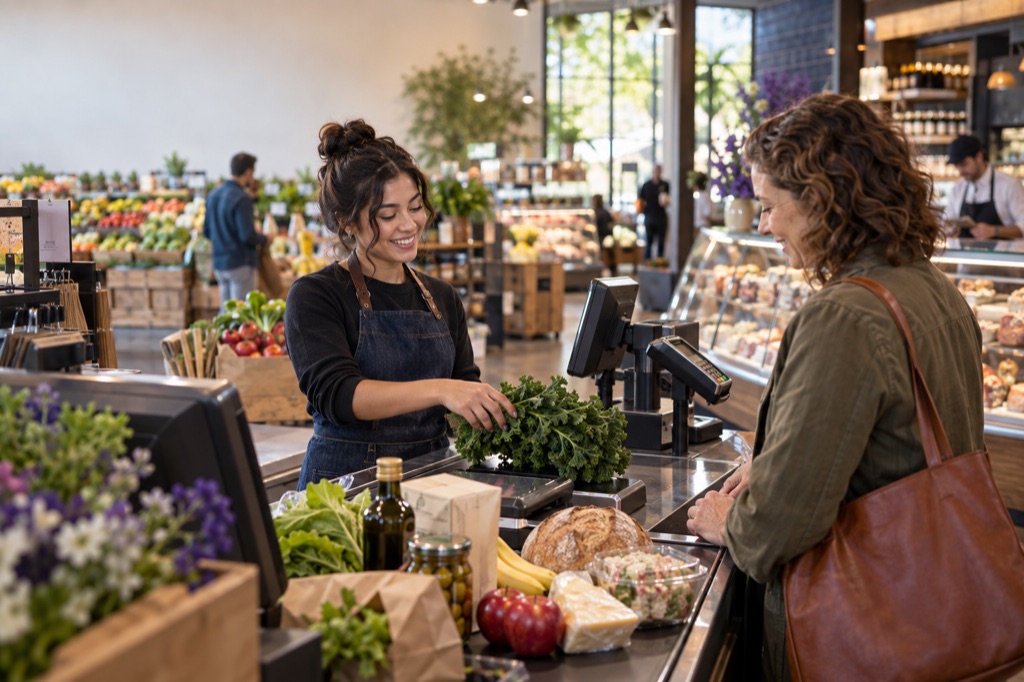
GROCERY WORKFLOWS
The lane can only be as accurate as the departments feeding it.
Neighborhood grocery, prepared foods and multi-location stores create different requirements for labels, equipment, tenders and local inventory.
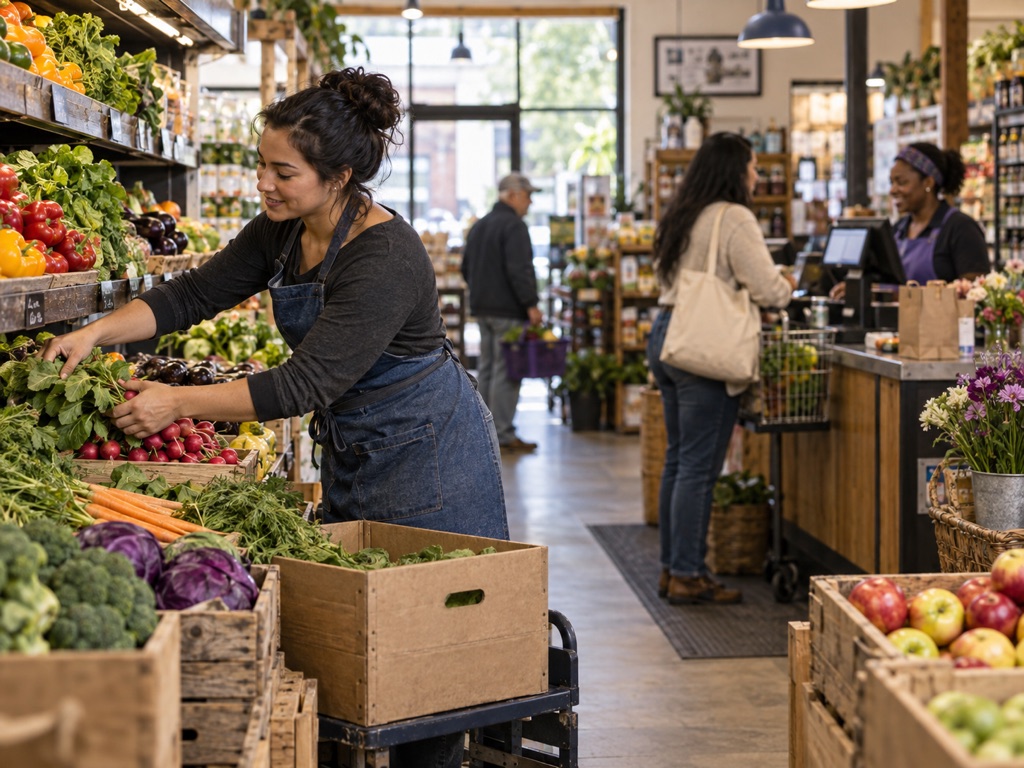
STORE MODEL
Neighborhood grocery
Keep receiving, shelf price, lane activity and replenishment tied to the same product record.
- Receiving and shelf price
- Lane accuracy
- Daily replenishment
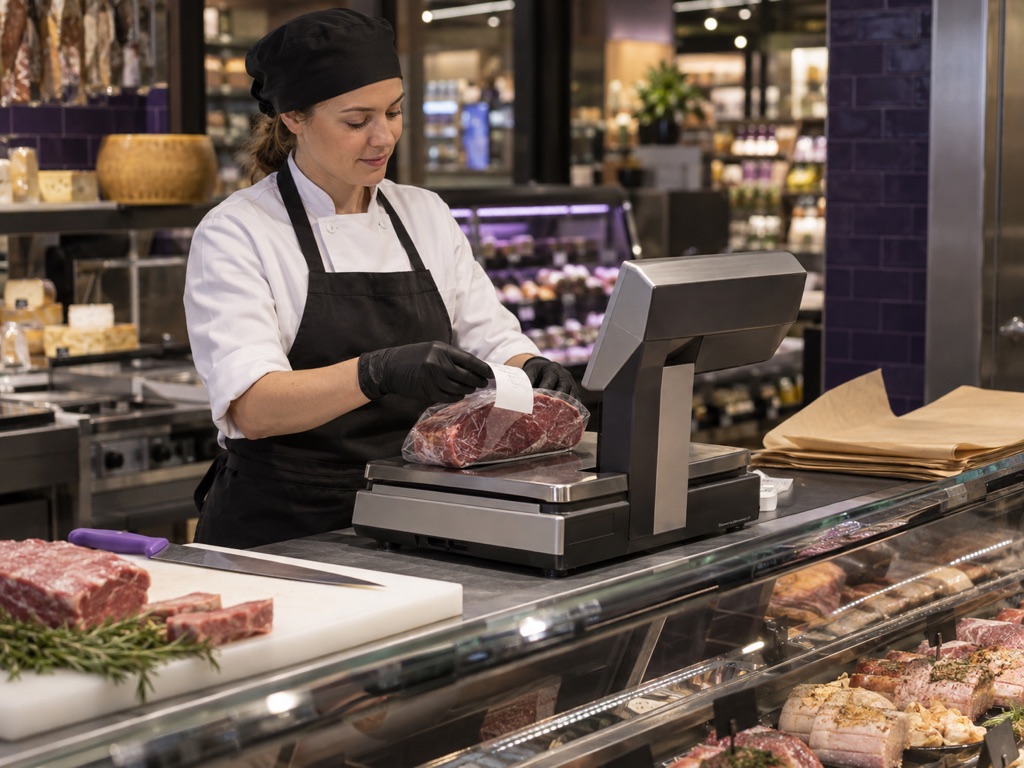
LOCATION MODEL
Meat, deli & specialty
Protect the handoff between weight, label, department price, checkout and inventory.
- Random-weight items
- Department labels
- Checkout recognition
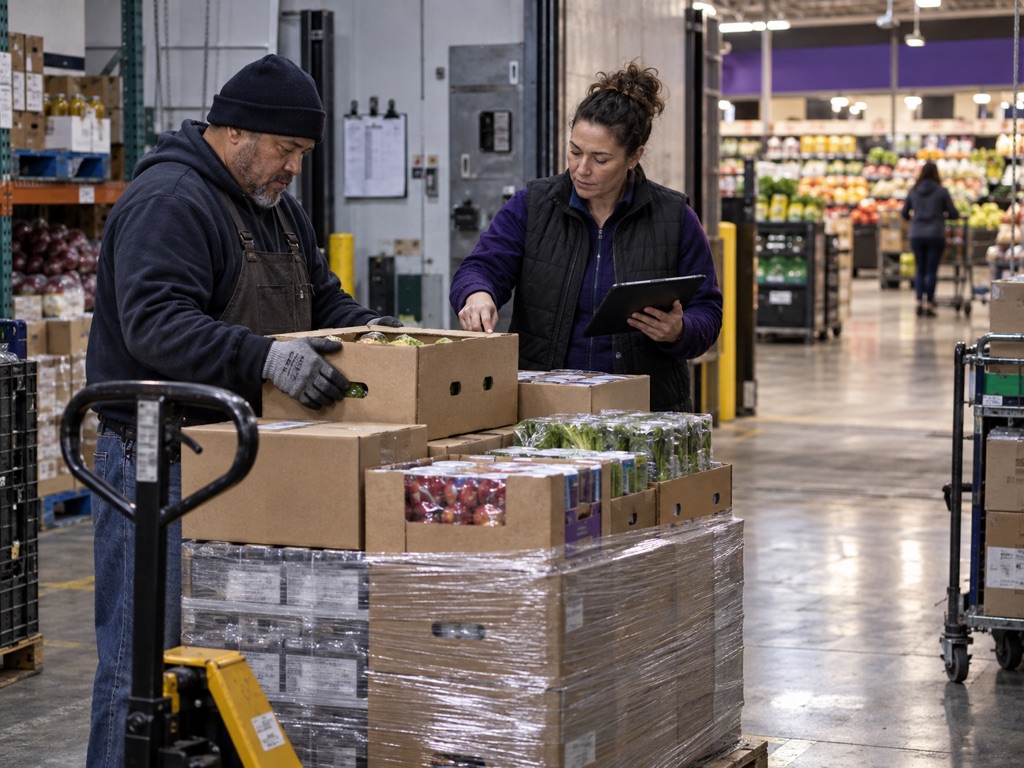
CHANNEL MODEL
Multi-location grocery
Share vendor, catalog and pricing controls while preserving local stock and closeout.
- Vendor receiving
- Store inventory
- Location reconciliation
ONE BASKET / FOUR RECORD LAYERS
If the label, register and store record call the same product three different things, checkout becomes the place where the mismatch surfaces.
Follow product identity through preparation, sale, correction and close.
ONE DIFFICULT BASKETDEPARTMENTWeight · label · PLU LANEScan · price · correction TENDEREligibility · split · balance CLOSESettlement · store record
THE DIFFICULT-BASKET TEST
Run the basket most likely to expose the gap.
Include a weighed or labeled product, a mixed-tender payment, a correction and the final lane-to-ledger comparison.
SCALE2.35 lb
+LABELPLU 4088
+LANEItem found
=BASKETOne answer
Random-weight goods, deli and specialty departments, mixed tender and lane corrections.
Exact scale, label, scanner, PLU, tender, provider, account and jurisdiction requirements.
A standard card sale proves support for EBT, eWIC, mixed tender or specialized equipment.
WHERE THE BASKET BREAKS
A clean card sale tells you almost nothing about the transaction you cannot afford to mishandle.
The real test is whether specialized items, tenders and corrections remain understandable without risking avoidable lane disruption.
SCALE 2.35 lbLANE 2.53 lbIDENTITY MISMATCH
Weight and price mismatch
Scale, label, PLU and checkout disagree about the item or amount.
Compare weight, label and PLUELIGIBLE?REMAININGBALANCE UNCLEAR
Tender exception
Eligibility, split tender, correction or refund leaves an unclear remaining balance or customer path.
Follow the balance and correctionLANE ✓SETTLEMENT —LEDGER ?
Lane-to-ledger mismatch
Lane totals, settlement and accounting do not agree after close.
Match lane to settlementGROCERY SYSTEM EVIDENCE
Test grocery systems with the basket most likely to break them.
Named equipment is an evaluation candidate—not a predetermined answer or universal compatibility claim.
Grocery operations
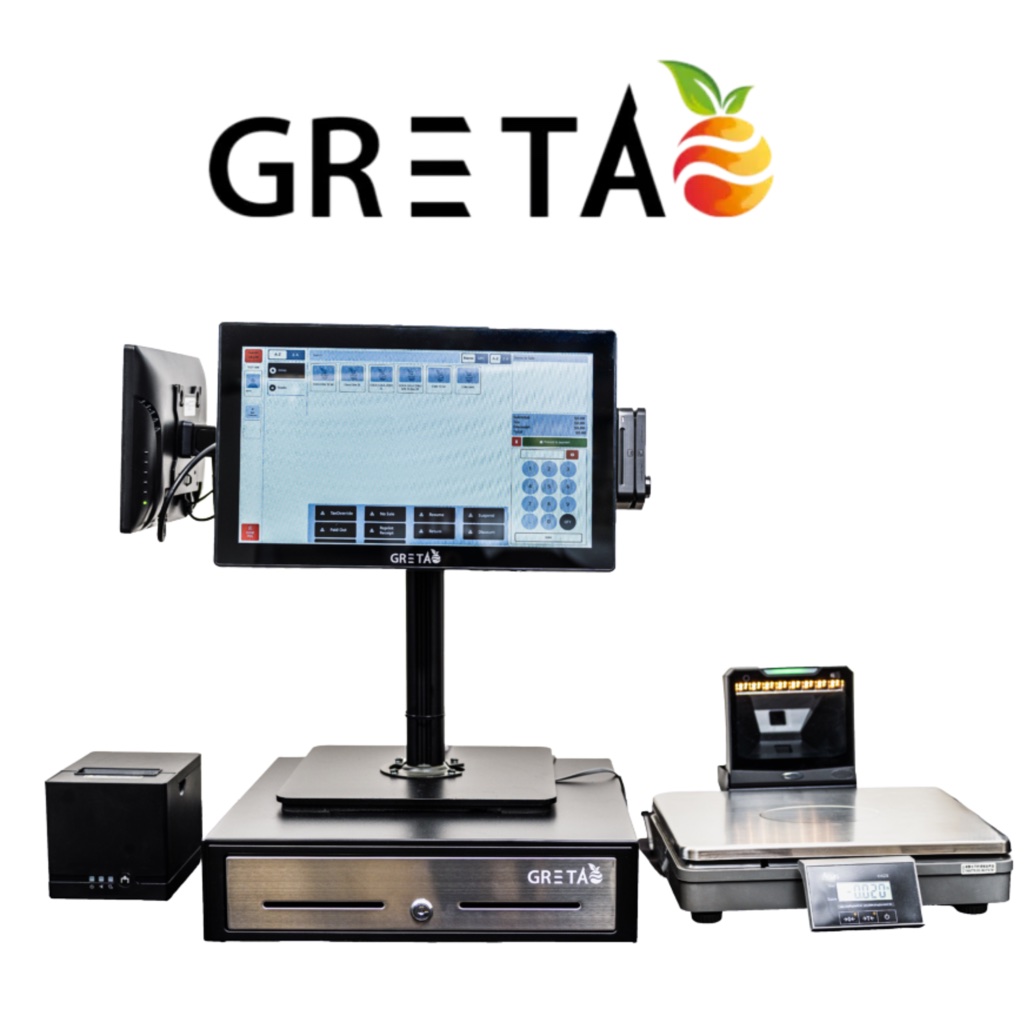
GRETA POS
Evaluate the exact scale, label, POS, inventory and store-management configuration through one representative grocery basket.
Exact scaleLabel + PLUTender pathLane close
Exact product, certification, configuration, availability and integrations still require verification.
Product imagery is used with permission. Product availability, editions and configuration vary.
THE BASKET REVIEW
One difficult basket can expose every weak handoff in the lane.
We verify the exact devices, tender rules and responsibilities before treating any proposed configuration as workable.
One difficult basket
Weights, labels, PLUs and tenders
One difficult basket, one department label and the lane-close record.Who owns each record
Department, lane, payment and store
Identify who owns items, PLUs, prices, scales, inventory, tender and reporting.Exact devices and rules
Scale, scanner, printer and corrections
Test exact equipment, eligibility paths, corrections and settlement behavior.Lane or department pilot
What stays, connects or changes
Document what can remain and whether a department or lane pilot is appropriate.WHAT YOU RECEIVEKeepConnectChangePhase
QUESTIONS TO RESOLVE
Six grocery questions to resolve before rollout.
Direct answers to the questions that should be settled before equipment, software or payment decisions are finalized.
Can we keep our current grocery system?+
Possibly. First identify which system owns items, PLUs, prices, scales, inventory and lane reporting. A payment change should not disturb those responsibilities without a tested migration plan.
How should we evaluate grocery operating platforms?+
Use the same basket and department workflow for every candidate: receive, weigh, label, stock, scan, tender and reconcile. Current product availability and the exact proposed configuration must be verified.
Will our existing scales, scanners, printers and lanes keep working?+
That cannot be assumed. Record the exact model, certification, software version, ownership and connection requirements for each device before proposing reuse.
Can EBT, eWIC, mixed tenders and random-weight items be supported?+
Only after product-, provider-, account- and jurisdiction-specific confirmation. Test eligible and ineligible items, remaining balances, corrections and refunds in the proposed configuration.
What should we test before changing grocery systems?+
Follow one difficult basket through weighed goods, PLUs, discounts, mixed tender, correction, refund, lane close, settlement and accounting. A simple card sale is not enough.
How should we compare total cost and rollout?+
Include software, processing, scales, scanners, printers, lanes, installation, data preparation, training, support and cutover risk. A phased department or lane test may be appropriate before a wider rollout.
A clear next step